The Great Wall’s Hidden Military Ingenuity Unique to Mutianyu
Stretching for thousands of miles, the Great Wall boasts the…
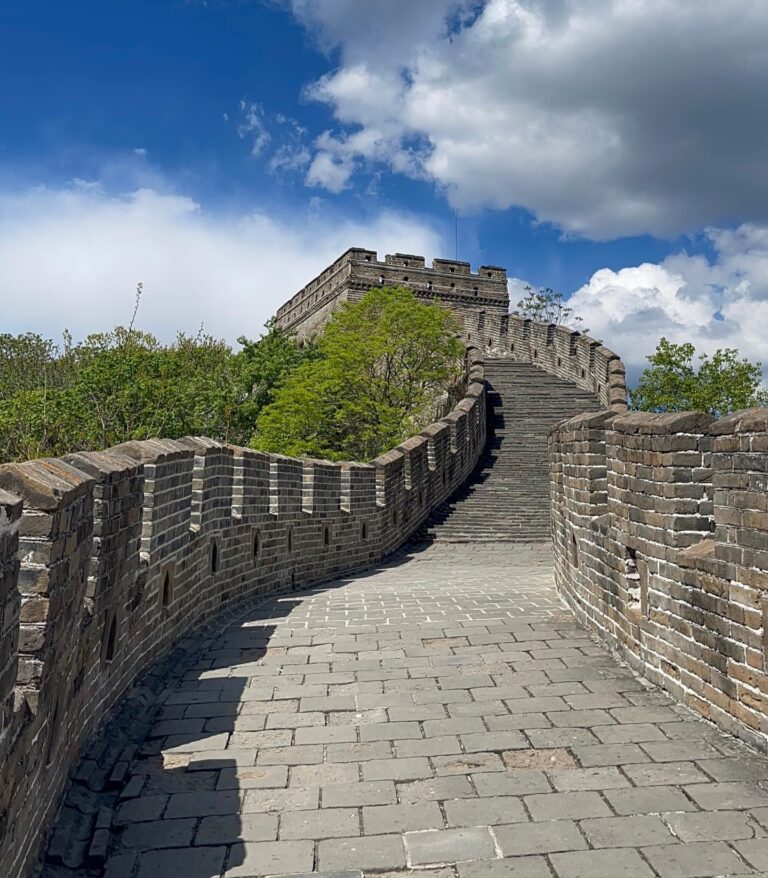
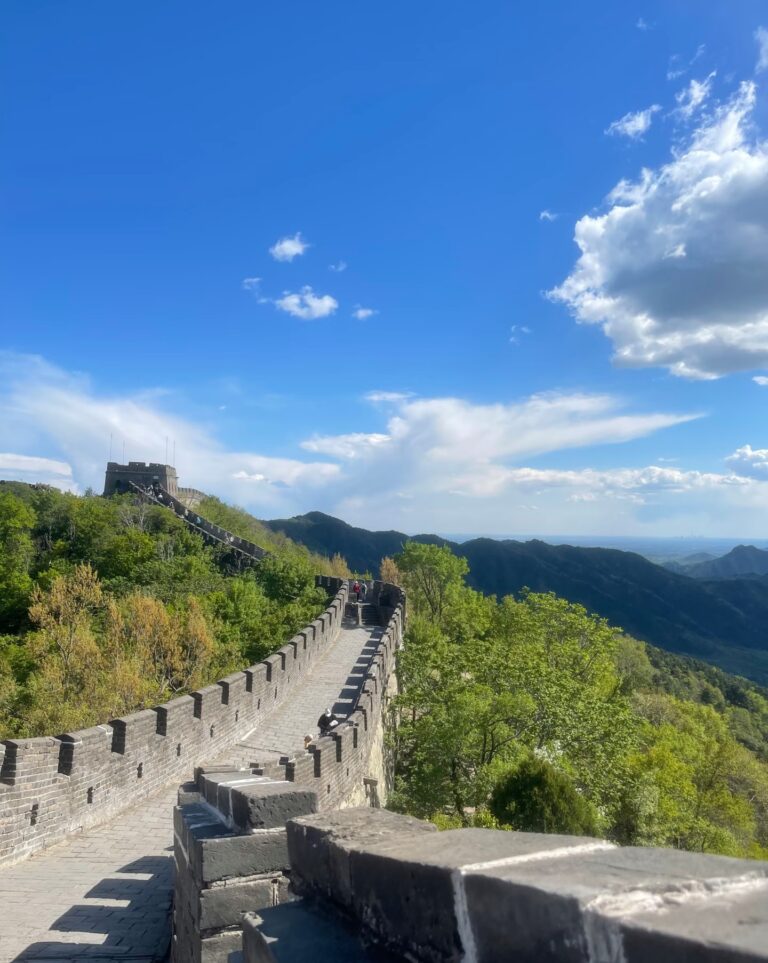
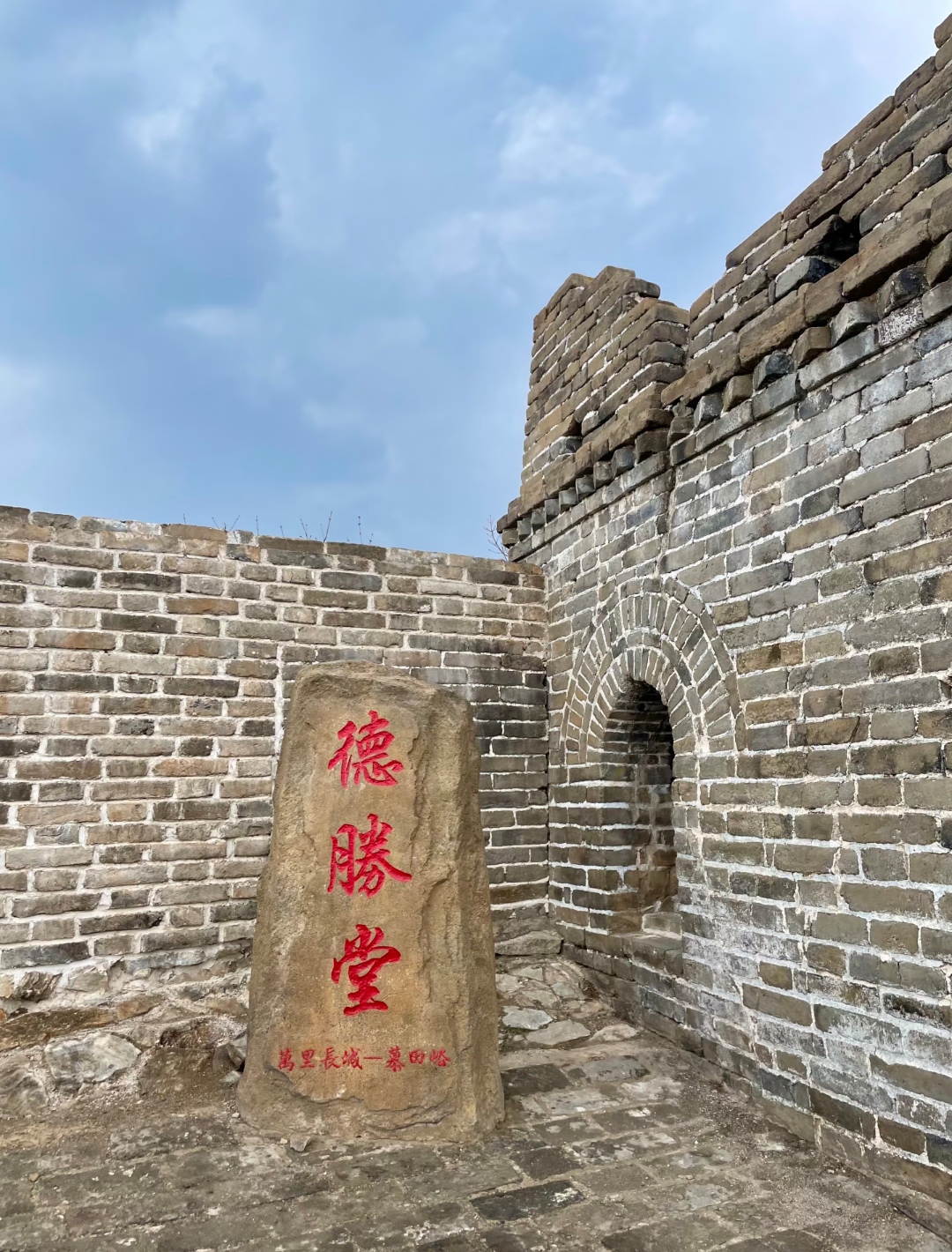
Stretching for thousands of miles, the Great Wall boasts the Mutianyu section as one of the most imposing and multi-layered segments in the suburbs of Beijing. Built upon the ruins of the Great Wall dating back to the Northern Qi Dynasty, it was reconstructed and expanded in the early Ming Dynasty. Having weathered more than 600 years of wind and rain, it evolved from a frontier stronghold for fending off invaders into a cultural landmark embodying the soul of mountains and rivers, revealing magnificent yet distinctive vistas with the shift of four seasons.
Check the detailed Mutianyu Great Wall one-day tour guide to get more travel tips.
I. Historical Background: A Military Fortress of the Ming Frontier Defense
Renovated and expanded during the Hongwu reign of the Ming Dynasty, the Mutianyu Great Wall nestles in the perilous valleys north of Huairou, Beijing. It guards the vital passage for nomadic forces from the north to march south and constitutes a key component of the frontier defense system of the Changzhen Garrison in the Ming Dynasty.
Following the undulating mountain ridges, the wall features tall, thick parapets and densely scattered watchtowers, serving both frontline defense and rear troop garrisoning. The walkway atop the wall enabled troop movement and deployment. Each hollow watchtower integrated multiple functions: lookout surveillance, archery and arquebus firing, troop stationing, as well as provisions and weapon storage. Beacon towers were arranged along the mountain terrain; smoke signals would be lit to relay military intelligence the moment border emergencies arose, forming a well-connected and comprehensive northern border defense line.
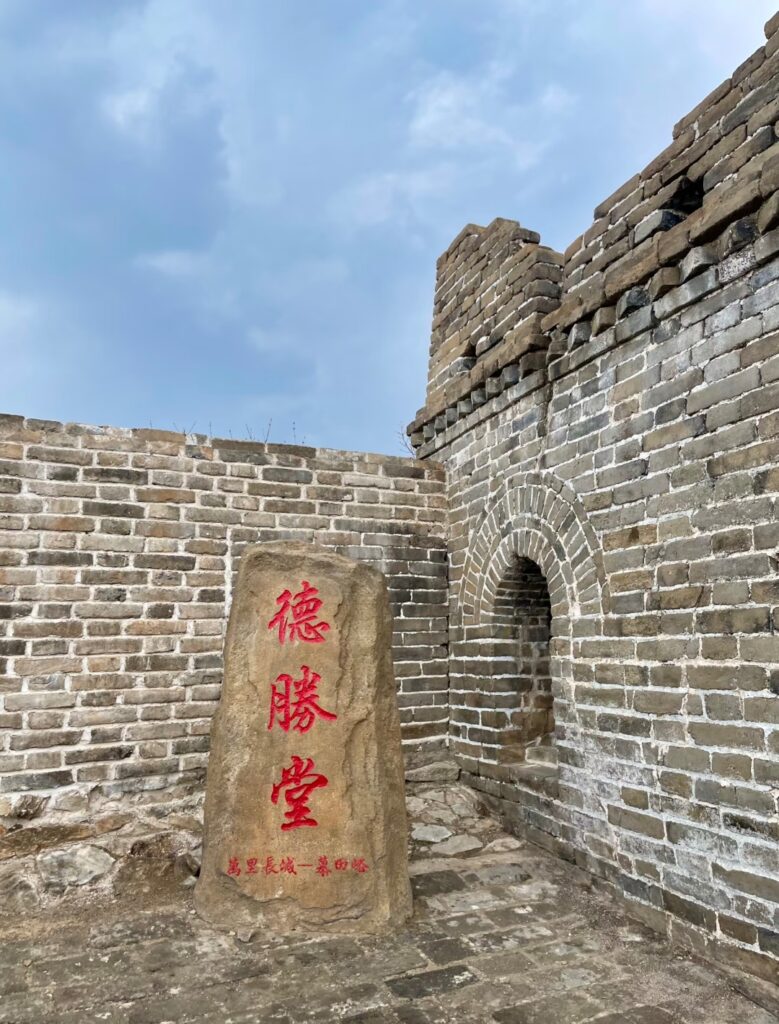
Centuries of wind, frost and time have left mottled marks on the bricks, bearing traces of ancient battles and natural erosion. Every tower and brick bears witness to the soldiers who guarded the frontier, composing an epic of border garrison spanning six centuries.
II. Scenery of Four Seasons: A Single Mountain Holding the Charm of All Seasons
Spring: Hillsides Burst with Blossoms
In late spring, wild peach blossoms, apricot blooms and azaleas flower one after another across the valleys, clustering around the time-honored grey Great Wall. Set against green mountains and dotted with blooming flowers, the rugged wall softens into gentle grace. Looking afar from a height, layers of flower fields stretch out amid mist-shrouded distant peaks, making it an ideal destination for spring outings and mountain climbing.
Summer: Lush Greenery Shrouds the Valley
In summer, the mountains are blanketed with flourishing foliage that blocks the scorching sun. Cool breezes drift through the hills, with the Great Wall winding atop an ocean of green woods, harmoniously framed by blue sky and verdant forest. Escaping the sweltering heat of the city, visitors may wander between watchtowers in refreshing coolness and enjoy an expansive view from elevated positions.
Autumn: Mountains Ablaze with Foliage
Autumn marks Mutianyu’s most renowned tourist season. Maples, smoke trees and oaks shed their green leaves, painting the mountains in a rich palette of red, orange, yellow and brown that encircles the ancient wall. Seen from a distance, the dragon-like Great Wall meanders along ridges amid colorful forests. The majestic ancient architecture blends perfectly with gorgeous autumn scenery, creating a breathtaking view. Mutianyu is also a well-established famous spot for appreciating red leaves on Beijing’s outskirts.
Winter: Snow Cloaks the Majestic Ramparts
After heavy snowfall, the mountains and the Great Wall are entirely covered in white, unifying heaven and earth in a pure silvery hue. With vegetation stripped bare, the complete ridgeline of the wall stands fully exposed, appearing stern, vast and overwhelmingly grand. With fewer visitors in winter, the ancient wall rests in solemn tranquility, fully displaying the bold and expansive bearing of northern China’s landscapes.
III. Travel Features
The Mutianyu Great Wall has generally gentle climbing gradients, densely distributed watchtowers and abundant route options. The scenic area is equipped with cable cars, chairlifts and toboggan runs. Visitors may choose to hike the entire way to experience the thrill of ascending the Great Wall, or take convenient transportation to effortlessly reach high viewing platforms.
Compared with the better-known Badaling Great Wall, Mutianyu features higher forest coverage, a quieter environment and broader unobstructed views. Here, travelers can delve into the profound military history of the Ming Great Wall and feast their eyes on the ever-changing mountain scenery across four seasons. It stands as a quintessential classic choice for visiting the Great Wall near Beijing.
Six hundred years have slipped away; the smoke of frontier warfare has long faded into the distance, yet the Great Wall still towers firmly atop the mountain peaks. It is not only a monumental military legacy left by ancient ancestors who defended their homeland, but also an everlasting scroll of mountains and rivers that renews its beauty with each passing season.
Many tourists wonder Mutianyu vs Badaling Great Wall: which one is better for a day trip from Beijing. Check our full comparison to make your final decision.